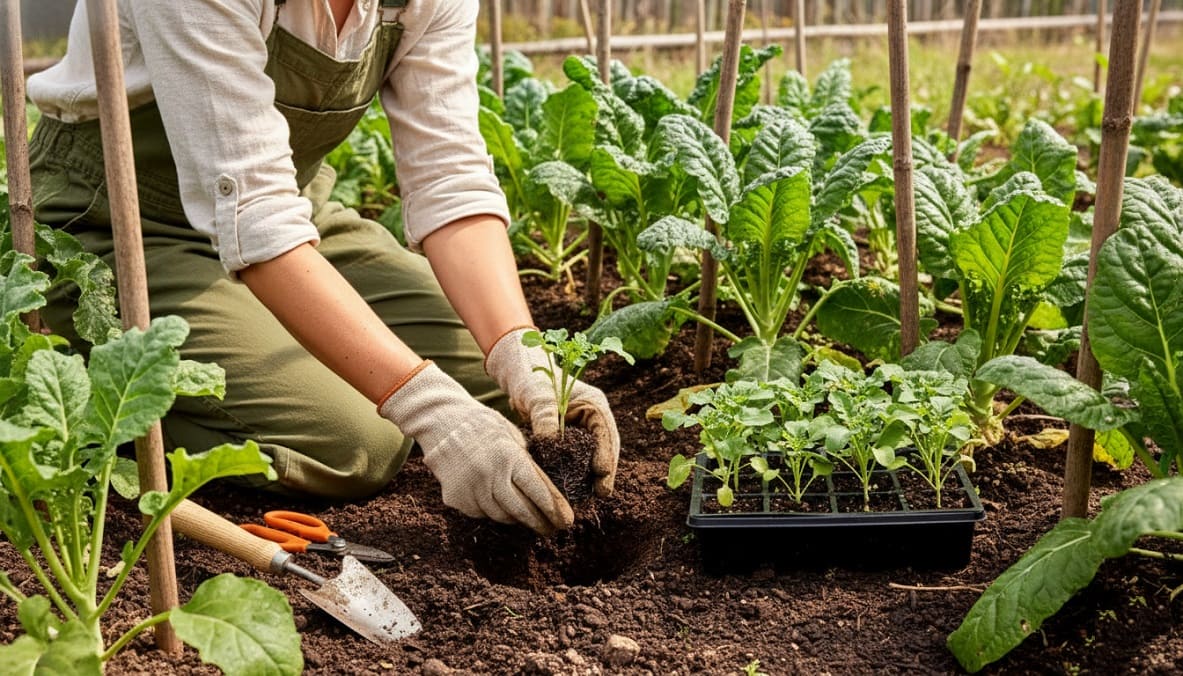
Have you ever stood in the garden center in early spring, seedlings in hand, wondering if it’s too early to plant? Or watched your lettuce bolt in the heat while your neighbor’s thrived, making you question your timing?
The truth is, successful gardening isn’t just about what you plant—it’s about when.
Timing transforms gardening from guesswork into predictable abundance.
This guide will teach you to read nature’s signals and schedule plantings that deliver fresh harvests from early spring through late fall.
The Foundation: Understanding Your Frost Dates
Before you plant a single seed, you need to know two critical dates for your area: the average last spring frost and the average first fall frost. These dates form the backbone of every planting decision you’ll make.
A frost date represents when temperatures typically dip to 32°F (0°C) or below. The word “average” is key—some years frost arrives earlier or later than expected, which is why experienced gardeners keep an eye on forecasts and have protection ready.
Finding your frost dates:
- In the United States, enter your zip code into the National Gardening Association’s frost date calculator or check with your local Cooperative Extension office.
- In the UK, last frost typically falls between mid-April and late May depending on region.
- In Australia, timing varies dramatically from tropical Queensland (minimal frost) to alpine Victoria (frost possible into November).
One common point of confusion: growing zones and frost dates are not the same thing.
The USDA Plant Hardiness Zone Map divides regions based on average minimum winter temperatures—useful for selecting perennials and trees, but not for timing annual vegetable plantings.
Two gardens in the same zone can have frost dates weeks apart depending on elevation and proximity to water. Use your hardiness zone to select plant varieties; use your frost dates to schedule when to actually plant.

Cool-Season vs. Warm-Season Crops: The Essential Divide
All vegetables fall into one of two categories based on their temperature preferences, and understanding this division immediately simplifies your planning.
Cool-Season Crops
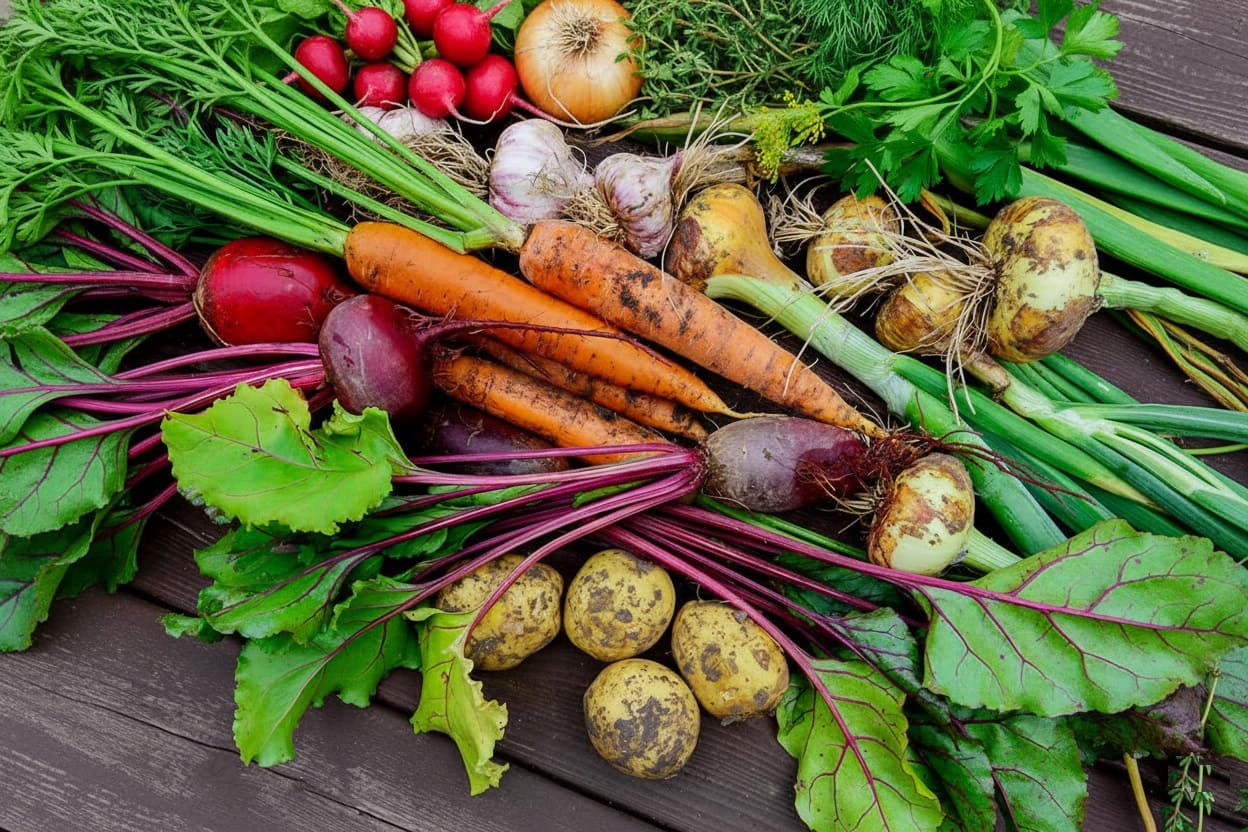
Cool-season crops thrive when temperatures hover between 55°F and 75°F. Many tolerate light frost and actually taste sweeter after a cold snap—Brussels sprouts and parsnips are famous examples.
This group includes leafy greens (lettuce, spinach, kale, arugula), brassicas (broccoli, cabbage, cauliflower), root vegetables (carrots, beets, radishes, turnips), alliums (onions, garlic, leeks), and peas.
Plant these in early spring as soon as soil can be worked, and again in late summer for fall harvests.
👉 Here are 37 Winter Vegetables to Grow: Complete Cold-Weather Guide
Warm-season crops
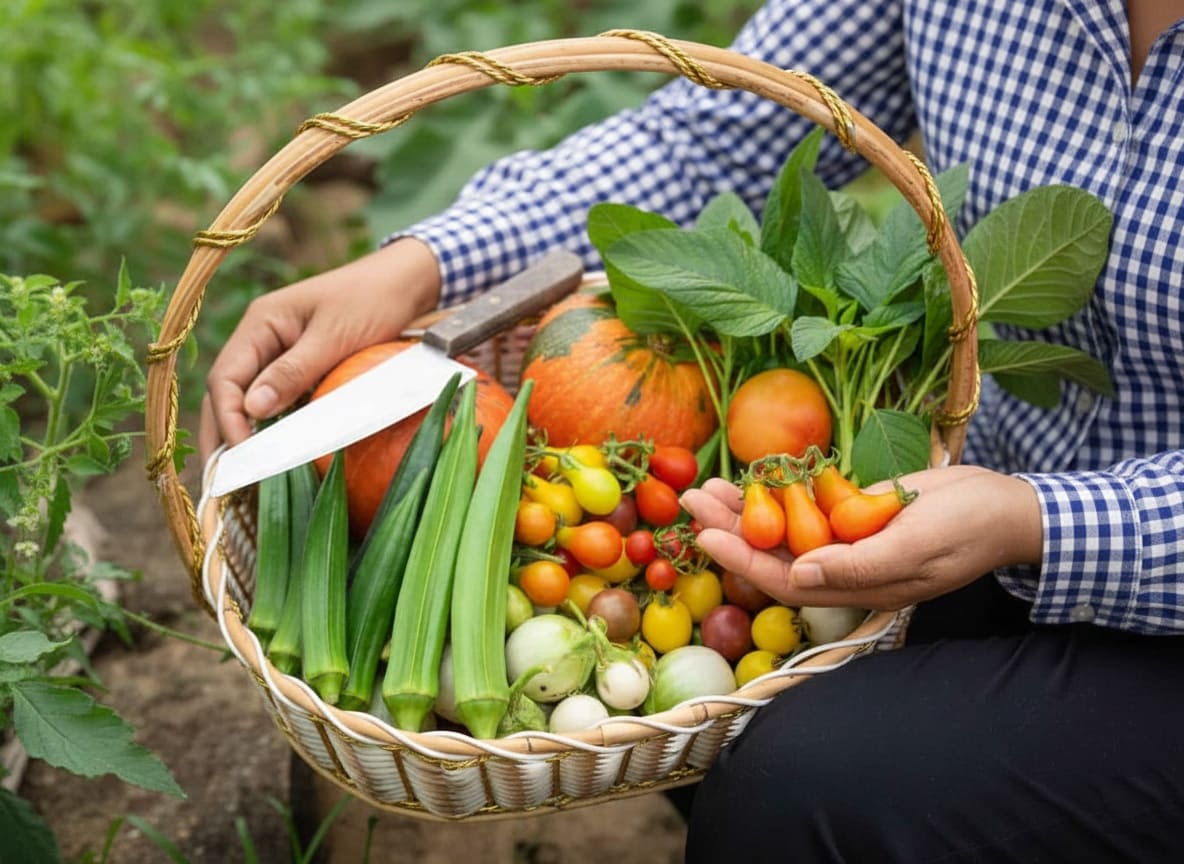
Warm-season crops cannot tolerate frost and grow best when temperatures consistently reach 65°F to 95°F.
This group includes nightshades (tomatoes, peppers, eggplants), cucurbits (cucumbers, squash, melons, pumpkins), beans, corn, and okra. Plant these only after all danger of frost has passed and soil has warmed sufficiently.
In spring, start with cool-season crops. Once frost danger passes and soil warms, transition to warm-season vegetables. It’s that straightforward.
Why Soil Temperature Matters More Than Air Temperature
Here’s a principle that separates successful gardeners from frustrated ones: seeds respond to soil temperature, not air temperature.
A sunny 70°F day in early spring might tempt you to plant everything. But if your soil is still 45°F, warm-season seeds will sit dormant—or worse, rot before germinating.
Cool-season crops are more forgiving, germinating in soil as cold as 40°F, but even they have optimal ranges.
Minimum soil temperatures for germination:
- Lettuce, spinach, peas: 35-40°F
- Carrots, beets, cabbage: 40-45°F
- Beans, corn: 60°F
- Tomatoes, peppers, squash, melons: 60-70°F
To measure soil temperature, insert a thermometer 2-4 inches deep in the morning for several consecutive days. Inexpensive soil thermometers provide far more accurate guidance than frost dates alone.
Without a thermometer, watch for natural indicators: weeds actively growing, earthworms near the surface, and soil that feels consistently warm to your touch several inches down.
Reading Seed Packets: Days to Maturity Explained
Every seed packet lists “days to maturity”—the approximate time from planting to harvest. This number is essential for planning, but it requires interpretation.
- For direct-sown crops (seeds planted directly in the garden), days to maturity counts from germination to harvest.
- For transplanted crops, it typically counts from transplant date, not seed starting date. A tomato packet saying “75 days” means 75 days from when you put that transplant in the ground, not from when you started the seed indoors.
This distinction matters enormously for scheduling. If you’re starting tomatoes indoors 6-8 weeks before transplanting, your actual seed-to-harvest timeline is closer to 115-130 days.
Days to maturity also helps you calculate fall planting deadlines. Count backwards from your first fall frost: add the days to maturity, plus 10-14 days for harvest window, plus 7-10 extra days because shorter fall days slow growth.
A 50-day lettuce with an October 15 frost date needs planting by early August at the latest.
Starting Seeds Indoors: Timing Your Head Start
Starting seeds indoors extends your growing season, especially valuable in northern climates with short summers.
However, timing is crucial—seedlings started too early become leggy and rootbound before transplanting conditions arrive.
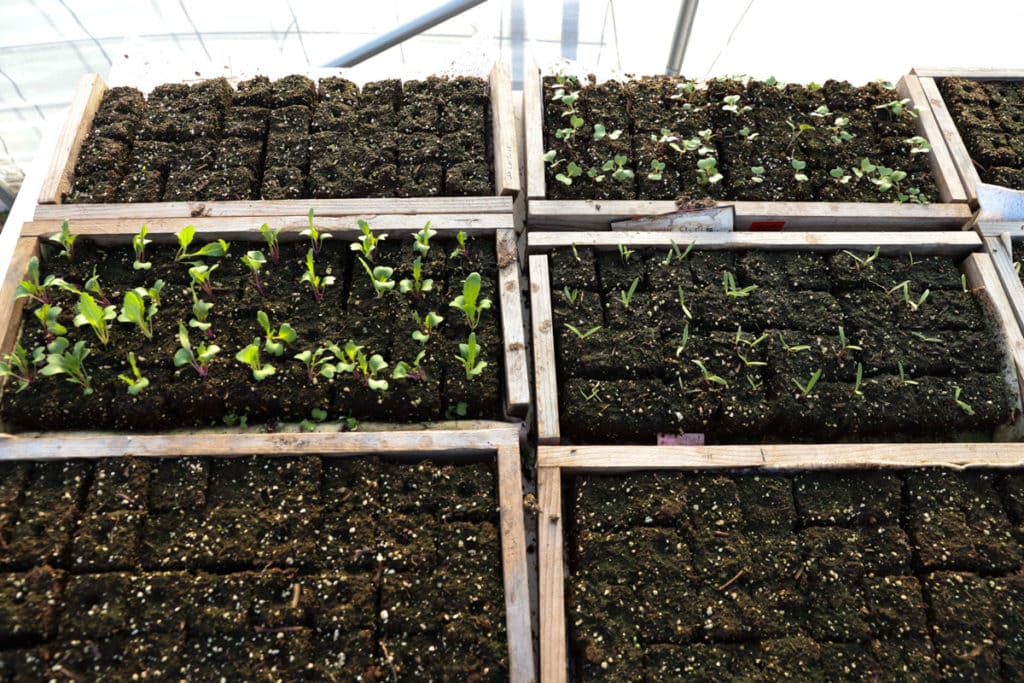
Indoor starting timeline (weeks before last frost):
| Crop | Start Indoors | Transplant Outdoors |
| Onions, leeks, celery | 10-12 weeks | 2-4 weeks before last frost |
| Peppers, eggplants | 8-10 weeks | 2 weeks after last frost |
| Tomatoes | 6-8 weeks | 1-2 weeks after last frost |
| Broccoli, cabbage, cauliflower | 6-8 weeks | 2-4 weeks before last frost |
| Lettuce | 4-5 weeks | 3-4 weeks before last frost |
| Cucumbers, squash, melons | 3-4 weeks | 1-2 weeks after last frost |
Notice that cold-hardy transplants (brassicas, lettuce, onions) can go out before the last frost date, while tender crops must wait until after—often two weeks after to ensure soil warmth.
Hardening off bridges the gap between cozy indoor conditions and the real world.
A week or two before transplanting, place seedlings outside in a sheltered spot for a few hours daily, gradually increasing exposure until they can handle full sun and temperature fluctuations.
Skip this step and you’ll shock your plants, setting them back weeks.
Succession Planting: The Secret to Continuous Harvests
One of the most valuable techniques experienced gardeners use is rarely explained to beginners: succession planting.
The concept is simple. Instead of planting all your lettuce seeds at once and harvesting everything in a two-week window, plant a small amount every 2-3 weeks throughout the planting season.
You’ll harvest continuously for months rather than dealing with overwhelming gluts followed by empty beds.
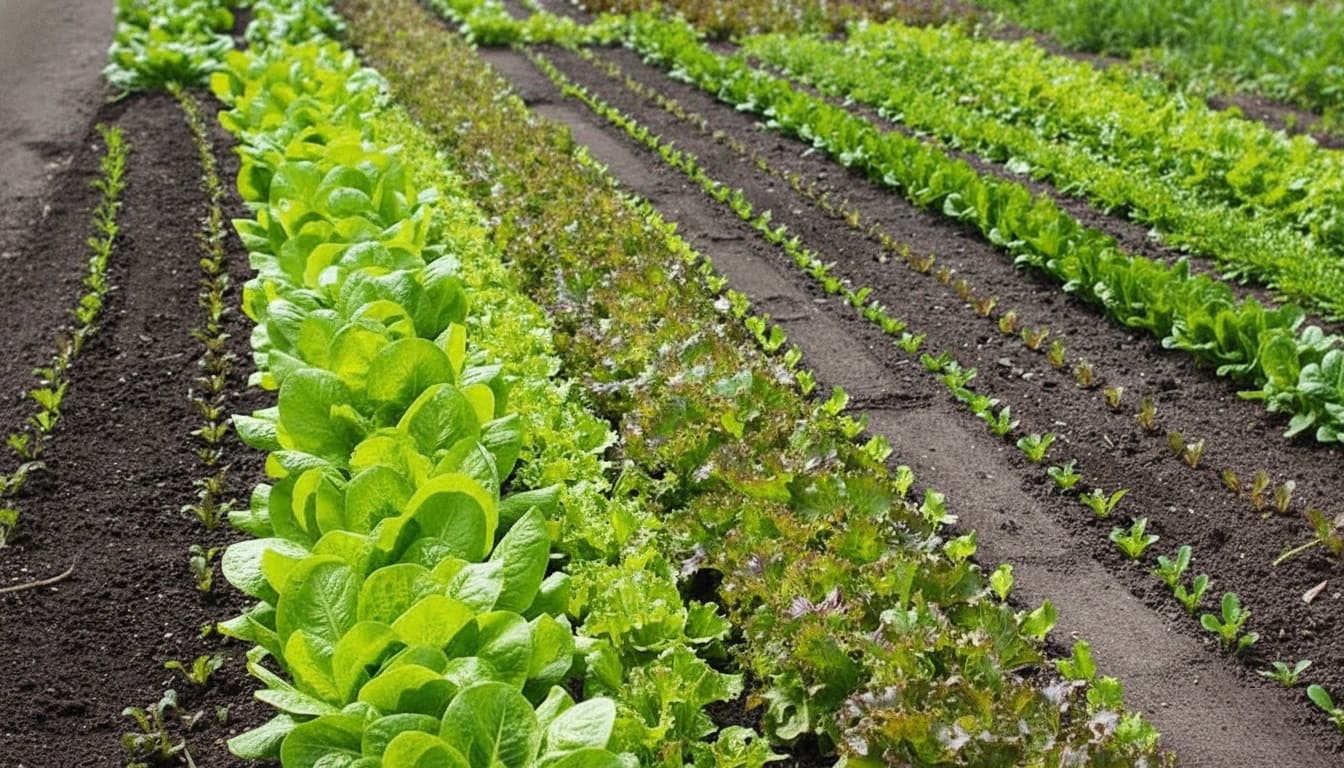
Succession planting works brilliantly for quick-maturing crops: radishes (25 days), lettuce (45-60 days), spinach (40-45 days), bush beans (50-60 days), and salad greens.
It’s less practical for long-season crops like tomatoes, peppers, and winter squash that produce continuously once they start.
To implement succession planting, mark your calendar with planting dates every 2-3 weeks from your first safe planting date until about 8 weeks before your fall frost (for cool-season crops) or midsummer (for warm-season crops).
Even three or four successions dramatically extend your harvest window.
Protecting Plants: Extending Your Windows
Simple protection methods can extend your planting windows by 2-4 weeks on either end of the season—a significant gain in short-season climates.
1. Row covers (also called floating row covers or garden fabric) are lightweight spun fabrics that rest directly on plants or over wire hoops.
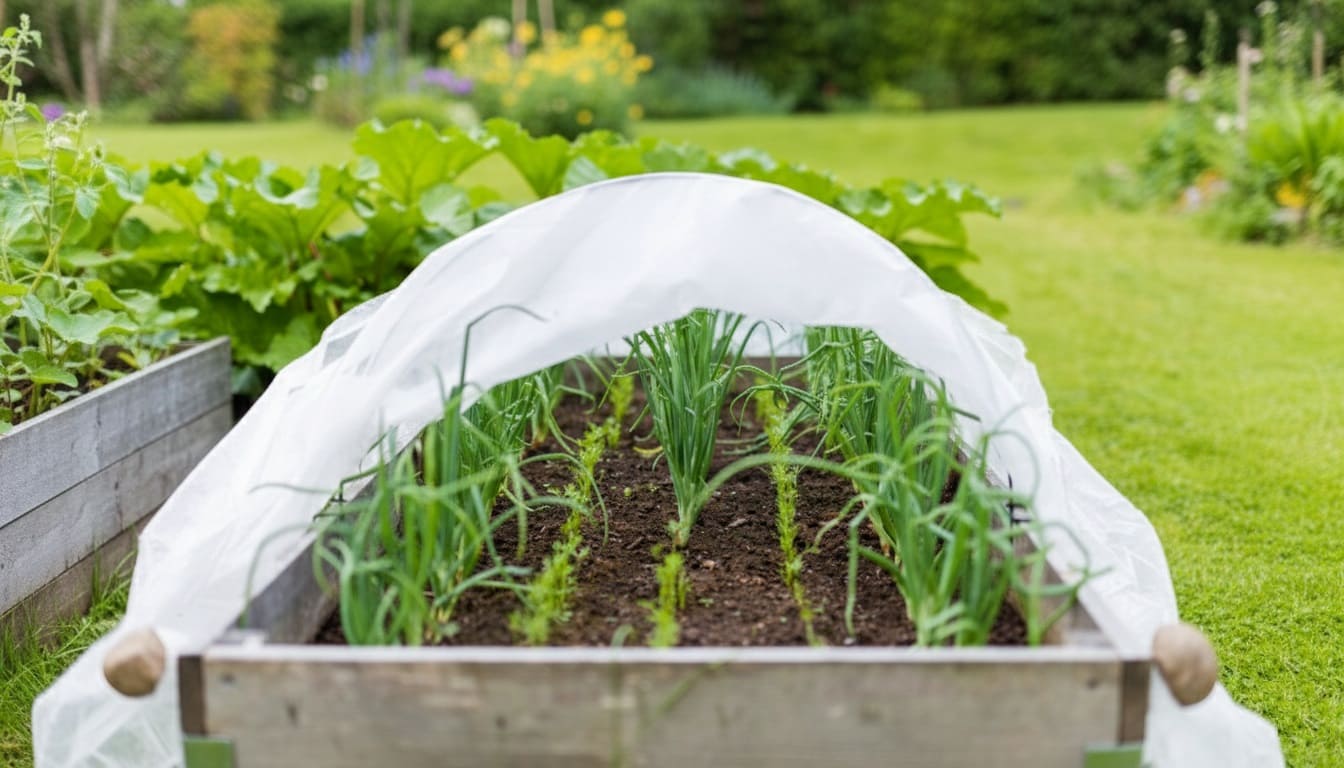
They trap heat, raise temperatures 2-8°F depending on weight, and protect against light frost while allowing water and light through.
Use lightweight covers (0.5 oz) for pest protection with minimal warming; heavier covers (1.5-2 oz) for frost protection.
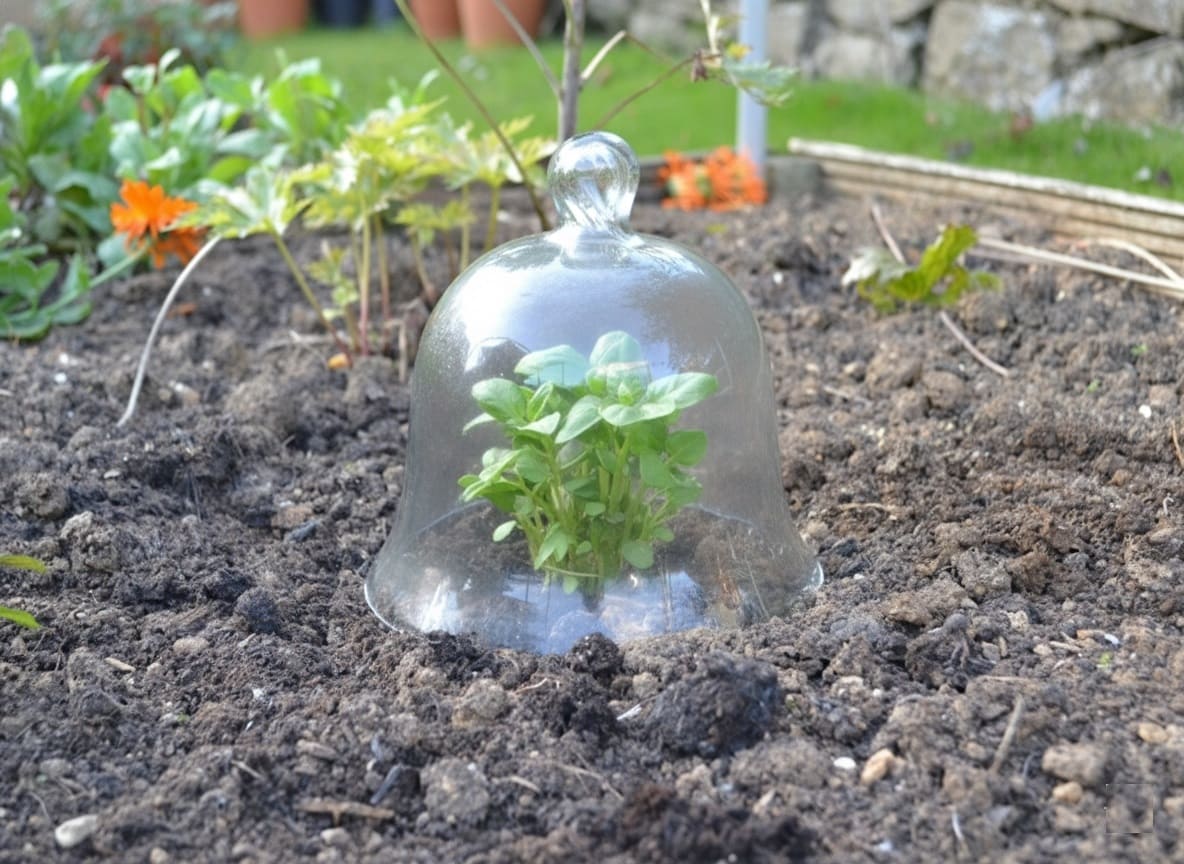
2. Cloches are individual plant covers—traditional glass bell jars, plastic jugs with bottoms removed, or commercial plastic domes. They’re ideal for protecting individual transplants during unpredictable spring weather.
3. Cold frames are bottomless boxes with transparent lids that create miniature greenhouses.
They’re perfect for hardening off seedlings, starting cool-season crops extra early, or extending fall harvests of greens well into winter.
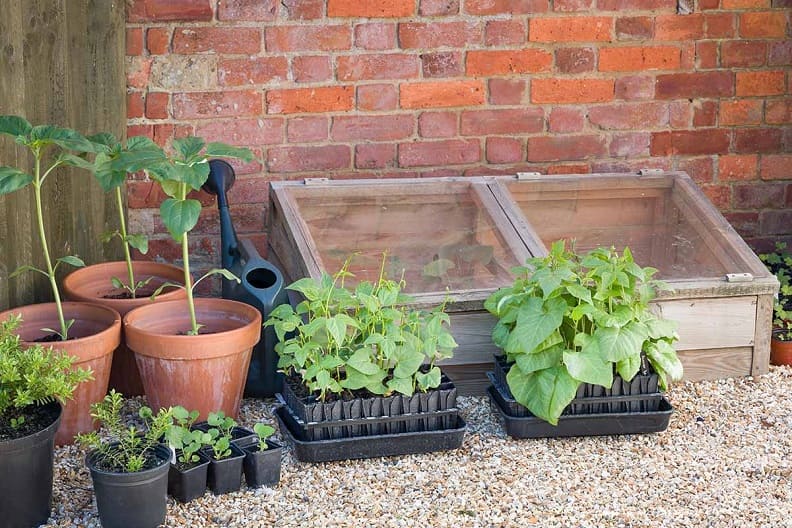
The key with all protection is ventilation. On sunny days, temperatures inside covered areas can spike dangerously high. Vent row covers by lifting edges, prop cold frame lids open, and remove cloches during warm afternoons.
Month-by-Month Planting Guide
While specific dates vary by location, this framework applies to most temperate Northern Hemisphere climates. Adjust based on your local frost dates.
- Late Winter (January-February)
The focus is preparation and indoor seed starting. Begin slow-growing crops like onions, leeks, celery, and peppers under grow lights 10-12 weeks before your last frost date.
Outdoors, plant garlic if you haven’t already (fall planting is preferable in most regions). Prepare beds by adding compost and checking drainage.
- Early Spring (March-April)
As soon as soil is workable—not frozen or waterlogged—direct sow peas, spinach, lettuce, radishes, and carrots. Transplant onion sets and early potatoes.
Start tomato, pepper, and brassica seeds indoors if you haven’t yet. Row covers and cloches provide insurance against late cold snaps.
- Late Spring (May-June)
After your last frost date passes, transplant tender seedlings including tomatoes, peppers, and eggplants.
Direct sow beans, corn, cucumbers, squash, and melons once soil reaches 60-65°F. Continue succession planting quick crops like lettuce and radishes.
- Summer (July-August)
Early summer: plant final successions of beans, corn, and summer squash. Mid-to-late summer: shift focus to fall gardening.
Start brassicas and lettuce indoors for transplanting in late summer. Direct sow carrots, beets, and turnips for fall harvest. Time these plantings using the days-to-maturity calculation described earlier.
- Fall (September-October)
Transplant cool-season crops for fall and winter harvests. Plant garlic cloves for next year. Before first frost, harvest remaining warm-season crops. Use row covers to extend harvests of hardy greens.
- Winter (November-December)
In mild climates, continue harvesting cold-hardy crops like kale, Brussels sprouts, parsnips, and leeks. In cold climates, harvest what remains, protect perennial crops with mulch, and plan next year’s garden.
Putting It All Together: A Sample Timeline
Here’s how this works in practice for a USDA Zone 6 garden (last spring frost around May 15, first fall frost around October 15):
- Late February/Early March: Start tomatoes, peppers, and eggplants indoors under lights. Start broccoli and cabbage indoors.
- Late March: Direct sow peas, spinach, and lettuce outdoors. Plant onion sets and seed potatoes.
- Mid-April: Transplant hardened-off broccoli and cabbage outdoors. Direct sow carrots and beets. Start a second round of lettuce.
- Early May: Plant a third succession of lettuce. Start hardening off tomatoes and peppers.
- Late May/Early June: Transplant tomatoes, peppers, and eggplants after last frost. Direct sow beans, cucumbers, and squash once soil reaches 65°F.
- Mid-June: Plant fall broccoli and cabbage seeds indoors. Start a first succession of fall lettuce.
- July: Direct sow beans for fall harvest. Transplant fall brassicas. Plant second succession of fall lettuce and greens.
- August: Direct sow final succession of lettuce, spinach, and radishes for fall. Plant garlic cloves for next year’s harvest.
- September-October: Harvest, harvest, harvest. Protect tender crops from early frost. Mulch fall crops for extended harvest.
Adjust these dates based on your specific zone—earlier in warmer zones, later in colder ones.
Regional Considerations
- Northern Climates (USDA Zones 3-5)
With growing seasons as short as 90-120 frost-free days, maximizing every week matters. Start seeds indoors, invest in season extenders, and choose short-season varieties bred for quick maturity.
Look for terms like “early,” “short-season,” or specific day counts under 70 for warm-season crops.
- Southern Climates (USDA Zones 8-10)
Heat becomes the limiting factor rather than cold. Cool-season crops bolt quickly in spring, making fall and winter prime planting seasons.
Summer’s intense heat can stress even warm-season crops—provide afternoon shade and consistent water.
- Mediterranean Climates
Mild, wet winters and dry summers flip the typical calendar. Many crops grow best from fall through spring, while summer demands drought-tolerant varieties or diligent irrigation.
- UK and Northern Europe
Unpredictable springs require patience. The “Ice Saints” period in mid-May traditionally marks the end of frost risk.
Cool summers favor brassicas and root crops; heat-loving crops like melons may need greenhouse protection.
Common Timing Mistakes to Avoid
- Trusting warm spells too early.
A few sunny March days don’t mean winter is over. Always verify against your frost dates and watch extended forecasts before planting tender crops.
- Planting everything at once.
Stagger plantings of quick-maturing crops for continuous harvests rather than overwhelming gluts.
- Ignoring soil conditions.
Cold, waterlogged soil rots seeds and stunts transplants regardless of air temperature. Wait until soil is workable and adequately warm.
- Forgetting fall planting windows.
The fall garden must be planted in mid-to-late summer. By the time fall weather arrives, it’s too late to start most crops.
- Skipping hardening off.
Transplants moved directly from indoor conditions to the garden suffer severe shock. The extra week of gradual acclimation pays dividends.
Frequently Asked Questions
- Can I plant vegetables year-round?
In mild climates (zones 9-11), yes—different crops suit different seasons. In colder regions, winter growing requires cold frames or row covers.
Hardy crops like kale, spinach, and some roots can overwinter with minimal protection even in zone 6.
- What if I miss the ideal planting window?
For many crops, shift to succession planting or wait for the fall window. Quick crops like beans and lettuce offer multiple opportunities throughout the season.
For long-season crops like tomatoes, purchasing larger transplants can help make up lost time.
- Is it ever too late to plant a garden?
Rarely. Even after missing spring planting, fall gardening offers excellent opportunities.
Quick crops like radishes and lettuce can go in until late summer. If autumn has arrived, plant garlic for next year and prepare beds for spring.
- What’s the easiest vegetable for beginners to time correctly?
Radishes are wonderfully forgiving—they germinate quickly, mature in 25-30 days, and can be planted almost any time soil isn’t frozen.
Lettuce and bush beans are also beginner-friendly with obvious planting windows and quick results.
- Should I follow planting dates on seed packets exactly?
Use packet recommendations as starting points, then adjust based on your local frost dates and observed conditions.
Regional planting guides from your local Extension service offer more tailored advice than generic packet instructions.
Key Takeaways
The rhythm of planting becomes second nature with practice. Master your local frost dates, respect the cool-season/warm-season divide, pay attention to soil temperature rather than just air temperature, and use succession planting to extend your harvests.
When uncertain, patience pays—plants started later in favorable conditions almost always outperform those planted early under marginal conditions.
Each season teaches something new about your soil, your microclimate, and your personal gardening style.
Start simple: look up your frost dates, pick three vegetables you love to eat, and create a basic schedule.
That small step transforms theory into harvests—and there’s nothing quite like eating something you grew at exactly the right moment.
What vegetables will you plant first? Share your plans in the comments below!

